Plate One Speaks Volumes: A Buffet Starter Personality Test
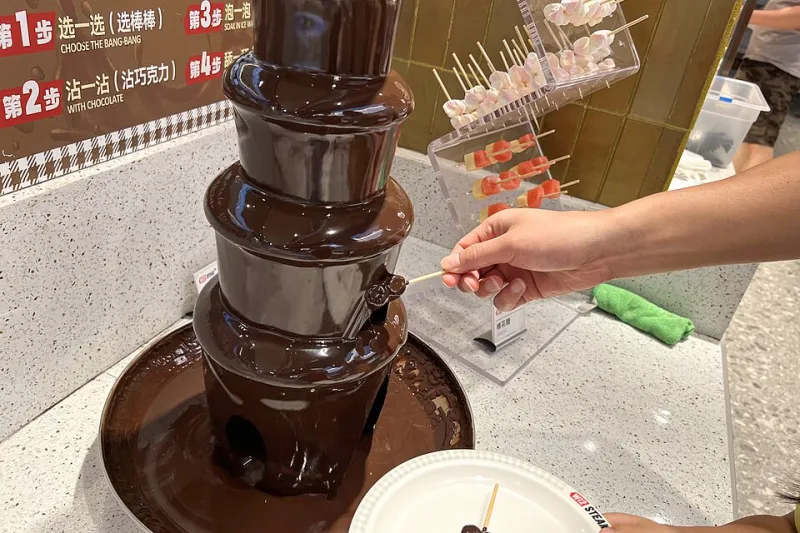
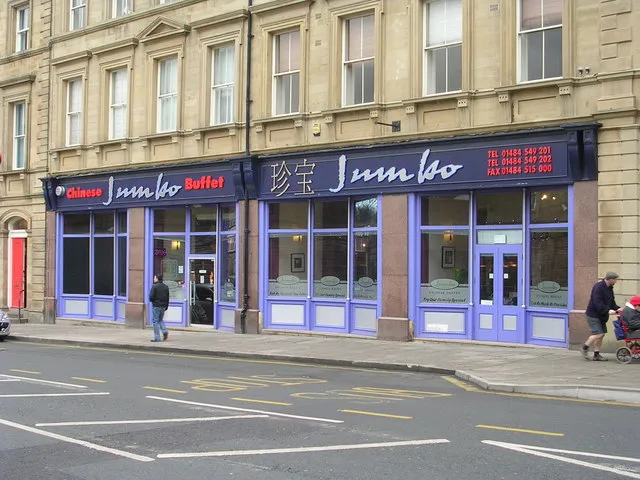
Photo: N509FZ, CC BY-SA 4.0, via Wikimedia Commons
Picture the scene: you have queued, paid, and been handed a plate the size of a hubcap. The first lap of the buffet is not really about hunger. It is a statement of intent. Are you the person who beelines for the prawn crackers, or the one constructing a small tower of crispy seaweed? Do you go straight for the salt-and-pepper chips, or do you hover by the noodles like a diplomat at a negotiating table? None of this is science. It is buffet anthropology, conducted with a ladle and a pair of tongs. But as a bit of fun, your first plate says plenty about how you approach an all-you-can-eat feast — and, more usefully, how you should pace yourself for the plates that follow.
The Prawn Cracker Grazer
You like a nibble, not a commitment. Your first plate is light, crunchy and designed to keep conversation going. In buffet terms, this is the opening act: a few crackers, a ramekin of sweet chilli, perhaps a single spring roll for moral support. Practical note: prawn crackers are mostly air, which is good, but the dips are not. Use them as a pacing tool, not a pre-meal. If you fill up on crackers before the duck arrives, the duck will remember.
The Crispy Seaweed Romantic
You tell yourself it is basically a vegetable. You are not wrong, but you are also not entirely right. Crispy seaweed is a brilliant first-plate choice because it gives you crunch and a little savoury hit without weighing you down. The risk is the pile: it looks airy, then it compacts. Take a modest nest, not a hedge. Pair it with something saucy later. This is the person who likes to feel virtuous before the ribs appear.
The Salt-and-Pepper Chip Pragmatist
No messing. You have spotted the chips, you have spotted the seasoning, and you have made a decision. The salt-and-pepper chip loyalist is a realist: why pretend this is about dim sum when there are proper chips on offer? The only advice is portion discipline. Chips are filling, and a mountain of them on plate one can end the feast before it has started. Treat them as a side attraction, share a scoop, and keep your powder dry for the second lap.
The Singapore Noodle Optimist
You believe in possibility. The noodles look light, the curry powder smells promising, and you take a generous spoonful. Then they expand. Singapore noodles are a wonderful buffet staple, but they are also a lesson in volume. Take a small portion first; you can always return. The optimist's second plate is usually better than the first because experience has been gained. There is no shame in that. It is called learning.
The Ribs-and-Rolls Traditionalist
You are here for the classics: spare ribs, spring rolls, maybe a sesame prawn toast. Your first plate is a nostalgic tour of the takeaway menu, and there is nothing wrong with that. The practical move is to keep sauces separate where possible, so the spring roll stays crisp and the ribs do not become a sticky puddle. Use a napkin strategy. And remember: ribs are rich. A small portion now leaves room for duck later.
The Sushi-and-Salad Scanner
You start with the fresh stuff. Good for you. A little sushi, a few cucumber sticks, maybe some pickled ginger. It looks sensible, and it can be. But buffet sushi rice is deceptively filling, and salad can be a speed bump if you are not careful. The scanner's strength is variety; the weakness is nibbling without a plan. Choose two small things you actually want, then move on. The hot counter is waiting.
What Your First Plate Does Not Say
It does not say you are greedy, boring, adventurous or sensible. It says you made a quick decision in a brightly lit room with a tray in your hand. Buffets are democratic: the person with the mountain of chips and the person with the delicate seaweed nest have both paid the same money. The fun is in the pattern, not the judgement. The first plate is a warm-up act. The second plate is where the real feast begins.
The Second-Plate Rule
Here is the practical bit. After plate one, pause. Drink some water. Sit back for five minutes. Then go back with a smaller plate and a clearer head. Pick one protein, one vegetable, one carb and one thing you have never tried. Do not stack. Do not chase the whole menu. The second plate is for the dishes you actually fancied from across the room: the crispy duck, the black bean beef, the aubergine, the odd-looking dumpling. That is where the buffet gets interesting.
The Pudding Plate Is a Separate Country
Do not forget dessert, but do not treat it as plate three of the main event. The ice-cream machine, the little cakes, the fruit — they all count. Give them their own lap, their own plate and their own timing. A buffet is a marathon with several short sprints. Your first plate is just the starting gun.
So next time you queue, glance at your first plate. It is not a personality test you can fail. It is a little clue to how you feast — and a reminder to leave room for the good stuff.