Seven Golden Rules for the All-You-Can-Eat Aisle (According to People Who've Queued)
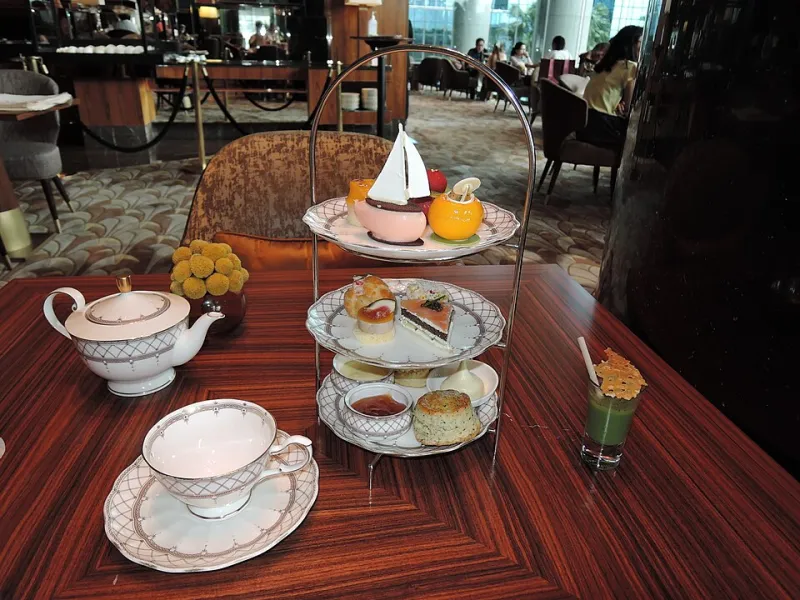
Photo: Peachyeung316, CC BY-SA 4.0, via Wikimedia Commons
There is a moment in every Chinese buffet, usually about four minutes after the first plate is cleared, when a certain kind of diner transforms. The eyes narrow. The plate is reloaded like a weapon. Noodles go on top of the ribs, the ribs go on top of the duck, and something in a pale sauce is balanced on the summit like a flag on Everest.
We love the commitment. We also think it deserves a strategy.
Because here is the thing about 'pile the plate, pass the joy': the pile works far better when there is a plan behind it. Below are seven rules we would happily pin to the wall of every buffet in Britain — written with affection, not a clipboard.
Rule one: the first lap is a recce, not a raid
Before you commit a single spring roll to a plate, walk the line. Look at what is actually there tonight. Has the duck arrived yet? Is there a fresh tray of king prawns coming out of the kitchen? Is that a bowl of salt-and-pepper squid, or is it chips?
A slow first lap does two useful things. It stops you filling up on the least interesting thing on the counter, and it stops the small tragedy of spotting the good stuff when you are already three-quarters full of noodles. Spend ninety seconds looking. Then eat like you have read the brief.
Rule two: one plate, one layer, one job
Tall is not a strategy. Heat rises, sauces merge, and that lovely crispy thing you were saving for later has gone soft under a hot ladle of something else.
Go for one layer, arranged sensibly, with the wet and the dry kept apart. You will be back. There is no prize for making the tallest structure in the building — and there is definitely no prize for a plate that looks like an archaeological dig site.
Rule three: share the sides, guard the table
Buffets are a team sport pretending to be an individual event. If you have ordered a side of those little buns or spotted a fresh bowl of prawn crackers coming out, bring enough back for the table, not just for your corner.
Meanwhile, keep the table anchored. In December, with the place heaving, coats and bags get shuffled and chairs go missing. Leave someone seated, be sensible with valuables, and if the venue offers a safe spot for bags, take it. You cannot enjoy the second visit if you spend it standing up scanning for a lost scarf.
Rule four: the prawn toast rush rewards timing, not speed
Every buffet has its legendary items — for many of us it is the prawn toast, that golden, sesame-crusted rectangle of pure Friday-night joy. When a fresh tray lands, it lands.
So do not queue politely from the far end and watch the whole thing disappear. Do not, on the other hand, elbow anyone in the ribs on the way up. Simply time your move. Trays tend to be refreshed in waves, and the queue peaks about ten minutes after the first sitting is seated. Go slightly early or slightly late and you will find the tray, the tongs and your dignity all intact.
Rule five: leave something for the person behind you
It is a shared tray and a shared evening. Take what you will honestly eat, then leave a decent portion behind. This is not puritanism — it is self-interest. If everyone serves like it is their last meal, the trays empty faster and everyone waits longer.
There is a quieter point here too. Wasted food at a buffet is not a victimless crime; it is the thing that pushes prices up and makes people tut. Take three prawn toast if you are going to eat three. If you discover you have over-faced yourself, well, now you know for next time.
Rule six: kids pile, parents steer
A buffet is a brilliant place to take children. It lets them try a bit of this and a bit of that with no negotiation and no wasted set meal. It is also a place where a small person can construct a plate made entirely of chips, one dumpling and a slice of melon.
Let it happen on lap one. Steer on lap two. Point out the things they have not tried — plain noodles, a chicken skewer, a spoon of rice. And agree the ground rules before you go up: no running, no tongs as swords, and a sauce always on the side first, just in case.
Rule seven: the second visit is a right, not a dare
Here is the rule that separates a good night from a grim one. The second visit should be a smaller, sharper, more considered plate — not a repeat of the first at 80 per cent size.
Round two is for the things you spotted on the recce and skipped: the aubergine, the steamed fish, that vegetable dish you have never knowingly ordered before. Round two is for finishing with a bowl of something light and a pot of tea rather than another mountain of fried rice.
And if you have genuinely had enough, stop. Nobody in the history of British dining has been awarded a medal for a third plate.
The closing move
So: look before you ladle, layer instead of tower, share the sides, time the toast, leave enough for the next person, steer the small ones and treat round two as a little luxury rather than a challenge.
Do all that, and the all-you-can-eat becomes what it should always have been — a long, generous, slightly chaotic meal where everyone gets exactly what they fancied, and nobody has to argue about the bill.
Pile the plate. Pass the joy. Just leave the tongs where you found them.