Chips, Curry Sauce and Custard Tarts: A Regional Buffet Road Trip
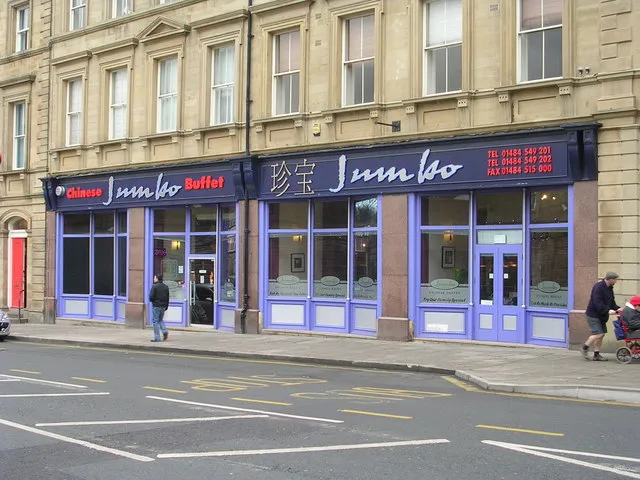
Photo: Betty Longbottom, CC BY-SA 2.0, via Wikimedia Commons
Britain is a small island with a big appetite for Chinese buffets, but the menu changes as the train heads north, west or across the water. The unifying features are there — prawn crackers, sweet and sour, a dessert fridge humming in the corner — but local tastes put their own stamp on the plate. This is not a scientific survey. It is a road trip in list form: a celebration of the quirks that make a buffet in Cardiff feel different from one in Carlisle, and a bucket list for your next free evening.
Cardiff: Curry Sauce and Chip-Shop Logic
Cardiff knows its way around a chip. In the Welsh capital, a Chinese buffet often nods to local chip-shop habits: curry sauce on the side, salt and pepper seasoning within reach, and a generous approach to chips alongside rice. The quirk to look for is the half-and-half plate — rice on one side, chips on the other — which is less a compromise and more a declaration of independence. Family buffets here tend to be busy early, so book if you are feeding a crowd.
Carlisle: The Chunky Chip Standard
Head to Cumbria and the chip gets serious. In Carlisle and the surrounding towns, buffet chips are often thicker, better suited to scooping up sauce, and less likely to be an afterthought. You may see curry sauce, gravy or both, depending on the house. The regional quirk is the chip butty energy: people know what to do with a good chip. Pair a small portion with a crisp spring roll and save the noodles for plate two.
Glasgow: Sweet-and-Sour Country
Glasgow has a long love affair with Chinese takeaway classics, and the buffet reflects it. Expect battered chicken balls, bright sweet-and-sour sauce and a dessert counter that takes pudding seriously. The quirk worth hunting is the pineapple fritter or banana fritter, often served hot with syrup or ice cream. It is a reminder that a buffet is not just a savoury parade. Pace yourself accordingly: the sweet stuff is not going anywhere, but your appetite might.
Manchester and Liverpool: Big-City Grazing
The big cities of the north-west offer a broader spread: dim sum, roast meats, salt-and-pepper chicken and the occasional teppanyaki-style station. The quirk is the pace. These buffets are built for groups, birthdays and post-shopping hunger, so the best strategy is to arrive early and treat the first lap as a reconnaissance mission. Look out for black bean sauce and chilli oil on the condiment shelf. In Liverpool, the family-feast habit is strong: book ahead for weekends.
Birmingham: The Spice Route
Birmingham's food reputation is broad, and its Chinese buffets often lean into spice and fragrance. You might find Sichuan-style dishes, chilli-specked noodles and Cantonese roast favourites sharing the same counter. The quirk to spot is the sauce habit: diners here are not shy about asking for extra chilli, black bean or curry sauce to finish a plate. Try a small spoon of the spiciest thing on offer first. If it is too much, you have rice nearby for backup.
London: The Dim Sum Diversion
London is less one buffet style and more a cluster of them. In and around Chinatown you can find dim sum, roast duck, bubble tea and dessert bars within a short walk, while suburban buffets often go for the full family spread. The quirk is choice overload. The practical advice is to pick a theme for plate one: dim sum, roast, or noodles. Do not try to do all three at once. The second plate is for the leftovers of your ambition.
Newcastle and Leeds: The Late-Night Lap
In Newcastle, Leeds and other northern night-out cities, the buffet doubles as a pre-match or post-shopping refuelling stop. The quirk is the timing: early birds get the freshest trays, while later diners get a lively room and a serious dessert rush. Keep plate one light — soup, a few crackers, a small noodles portion — and save the ribs and duck for when the queue at the hot counter thins out. A buffet is a game of timing as much as appetite.
Belfast: The Family-Feast Fold
Across the water, Belfast buffets often feel like family rooms: big tables, lots of sharing, and a pudding selection that includes the familiar and the unexpected. The quirk is the friendliness of the queue. Ask staff what is local, what is popular and what has just come out of the kitchen. You will often get a straight answer and a better plate. Curry chips may appear, because why would they not?
The Common Threads
Wherever you go, some things are constant: prawn crackers at the start, a sauce station with sweet chilli and soy, a dessert fridge with little cakes, custard tarts and fruit, and the soft-serve machine doing its quiet work in the corner. The differences are in the details — the thickness of the chips, the heat of the chilli oil, the presence of fritters, the way a city likes its curry sauce. That is the joy of a regional buffet tour: the format is familiar, the accent changes.
How to Build Your Buffet Bucket List
Start close to home. Pick one buffet you have never tried and go with a small appetite and an open mind. Ask what the local favourite is. Try one thing you cannot get at your usual spot. Take a second plate, not a third mountain. And if you are travelling, use the buffet as a window into local taste: chips in Carlisle, fritters in Glasgow, dim sum in London. The best buffet quirks are not on the menu. They are in the queue, the condiment shelf and the pudding fridge.
Britain's Chinese buffets are not identical, and that is the point. From Cardiff to Carlisle, the plate changes, the sauce changes, and the pudding changes. What stays the same is the invitation: pile the plate, pass the joy, and leave room for one more lap.